Most of the time, nothing happens to an empty house. You lock up, you leave, and you come back months later to find everything exactly where you left it.
The trouble is the other times. A vacant home has the same pipes, appliances, roof, and wiring as an occupied one. What it lacks is a person who would notice the drip, the smell, the cold room, or the tree on the deck. Problems that would be a quick fix in a lived-in house get weeks or months to grow.
Here are the five things we worry about most in homes that sit empty on Anderson Island, and what regular home watch visits do about each one.
1. Water leaks and burst pipes
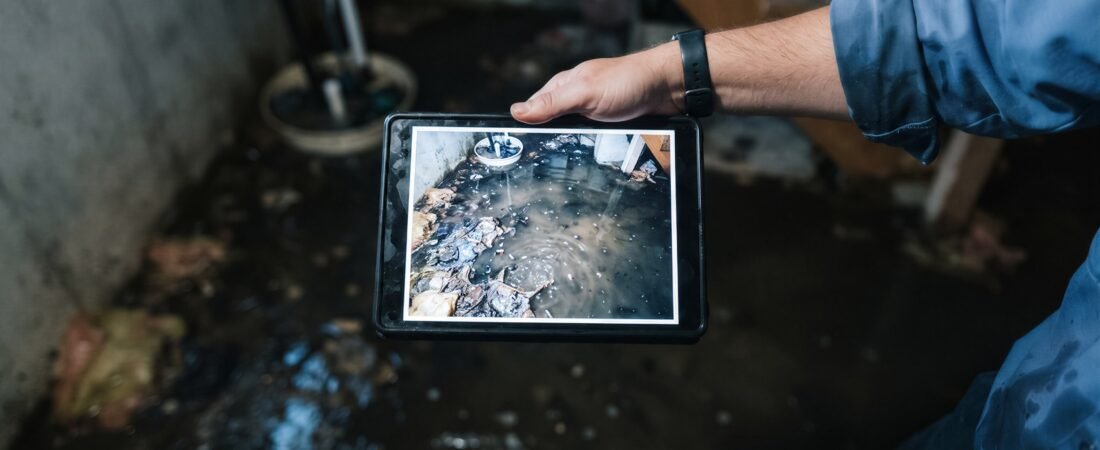
Water is the most common and most expensive thing that goes wrong in a vacant home. It doesn’t take a dramatic burst pipe, either. A cracked toilet supply line, a failing water heater, a washing machine hose, or a pinhole leak under a sink will do it. Left alone, a slow leak soaks subfloor, drywall, and cabinets, and mold follows close behind.
Cold snaps raise the stakes. If the heat fails during a freeze, pipes in exterior walls and crawl spaces can split, and the flooding starts when they thaw.
How home watch helps:
- We look under sinks, around toilets, behind the washer, and at the water heater on every visit.
- We check ceilings, walls, and floors for stains, soft spots, and musty smells that point to a hidden leak.
- We run water at the fixtures, which also keeps drain traps from drying out and letting sewer gas into the house.
- If we find a leak, we shut off the water, call you, and can meet your plumber at the door.
The difference between a leak caught in a week and a leak found in the spring is often the difference between a repair bill and a remodel.
2. Power outages and heating failures
Winter windstorms knock out power on the island every year, sometimes for days. When the power comes back, not everything comes back with it. Breakers trip. Heat pumps and furnaces fault and stay off. Freezers thaw and refreeze. Sump pumps stop while the rain keeps coming.
From a thousand miles away, you have no way of knowing any of it. A smart thermostat helps until the Wi-Fi goes down with the power.
How home watch helps:
- We confirm the heat is running and the house is holding temperature.
- We check the electrical panel for tripped breakers and reset what needs resetting.
- We make sure the refrigerator and freezer are cold and look for signs they thawed.
- After a major storm or outage, a visit tells you how your home came through rather than leaving you to guess.
3. Storm and tree damage
Anderson Island is covered in tall firs, cedars, and alders, and saturated winter soil plus wind brings some of them down every season. Limbs land on roofs and decks. Shingles lift. Gutters clog with needles and overflow against the siding. A fence section blows over, or a section of the driveway washes out.
Exterior damage tends to turn into interior damage. A few missing shingles are a small roofing repair in November. By February, after three months of rain, they are a ceiling repair too.
How home watch helps:
- We walk the outside of the property on every visit: roofline, gutters, siding, windows, decks, and outbuildings.
- We note downed limbs, leaning trees, standing water, and anything the wind has moved.
- We send photos, so you and your insurance company can see exactly what happened and when.
- We can meet contractors and let them in, so repairs don’t have to wait for your return.
4. Pests and rodents
When the weather turns, mice and rats look for somewhere warm, dry, and quiet. A vacant house is ideal. Once inside, they chew wiring and insulation, nest in furniture and stored linens, and leave a mess that is unpleasant and unhealthy to clean up. Carpenter ants and wasps find their way in too.
A rodent problem grows quickly. A pair of mice in October can be a much bigger problem by the time you get home.
How home watch helps:
- We look for droppings, chewed materials, and nesting in the places pests favor: kitchens, pantries, garages, and utility areas.
- We check the exterior for new gaps and openings.
- Catching the first signs means you can get pest control out while it is still a small job.
5. Break-ins, trespassing, and a house that looks empty
An obviously vacant house draws attention. Packages and flyers pile up at the door. No lights come on. The driveway shows no tracks for weeks. That can invite theft or vandalism, and it can also invite simpler problems, like someone using your dock or parking on your property.
Sometimes the issue isn’t a crime at all. A door that didn’t latch or a window left unlocked can sit that way for months.
How home watch helps:
- We check every door and window and confirm the house is locked up.
- We pick up packages, flyers, and anything else that advertises an empty home.
- Regular visits at varying times mean someone is clearly paying attention to the property.
- We look for signs of entry or tampering, and if something is wrong, you hear about it that day.
What home watch can and can’t do
To be straightforward about it: home watch can’t stop a tree from falling or a twenty-year-old water heater from giving out. No one can. What it does is shrink the time between when something goes wrong and when someone finds it. That window is what decides how much damage is done and how much it costs.
There is an insurance angle as well. Many homeowner policies limit coverage for homes left unoccupied for an extended period, and some expect the property to be checked regularly. Documented visits give you a record that someone was looking after the place. Ask your agent what your own policy requires.
Someone on the island, looking after your home
We live on Anderson Island year-round. On each visit we check the interior, the exterior, and the utility systems, and you get a report afterward with what we saw, so you are never left wondering. Anderson Island HomeWatch is licensed, bonded, and insured.
Planning to be away? Book a consultation and we will put together a visit schedule that fits your home and how long you will be gone.